
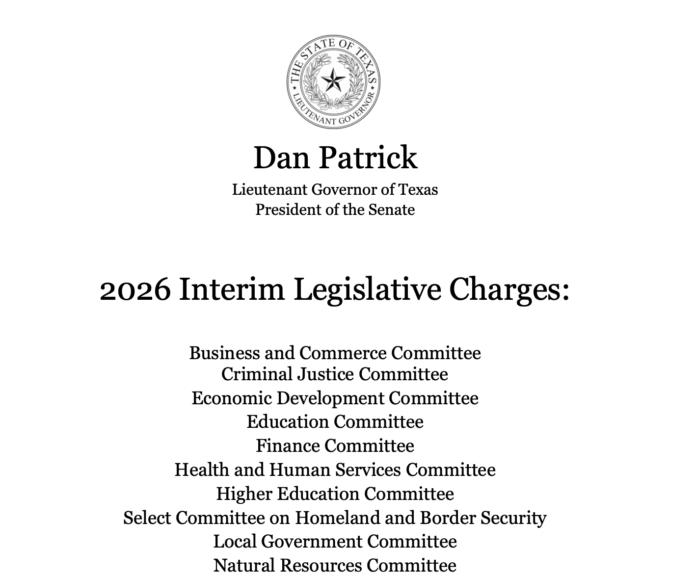
Texas’ second-largest state official, Lieutenant Governor Dan Patrick, has called for a legislative investigation into the “sudden flood of gambling in the prediction market” as other jurisdictions take the platforms to court. This move comes as part of a broader effort to advance the priorities of Texas’ conservative majority, including the analysis of prediction markets and digital assets.
Predictions markets have become a topic of interest in recent times, with many gambling authorities in other states filing lawsuits against platforms like Kalshi and Polymarket over sports and election betting. However, Texas was not among them, despite having some of the strictest laws in the country regarding sports betting and gambling. The state’s laws are largely limited to casinos on Indian reservations and the state lottery system.
Legislative Priorities
As part of the legislative priorities for the state’s next legislative session, scheduled to begin in January 2027, Patrick has included a study on prediction markets as well as crypto and blockchain. The indictment aims to “advance the priorities of Texas’ conservative majority,” including analysis of prediction markets and digital assets. The Texas Legislature meets every two years and is scheduled to convene for a 140-day session.
 Source: Office of the Lieutenant Governor of Texas
Crypto and Blockchain Assessment
As part of a financial technology initiative, Patrick called for an assessment of the state’s “coordination with federal regulations” on crypto and blockchain, as well as an audit of crypto kiosks in the Lone Star state. This move is significant, given the growing importance of crypto and blockchain in the state’s economy. In its 2025 legislative session, lawmakers proposed a Bitcoin reserve bill that was signed into law by Gov. Greg Abbott in June.
The announcement also included a study on the “Impact of AI on the Texas Workforce and its Impact on Economic Competitiveness.” This comes as reports suggested Google would back a multibillion-dollar data center in Texas that was leased to Anthropic. The project, initially expected to exceed $5 billion, comes at a time when many mining companies in the U.S. are moving to AI and high-performance computing amid increasing mining difficulties and falling crypto prices.
Conclusion
In conclusion, the call for a legislative investigation into prediction markets and the assessment of crypto and blockchain in Texas marks a significant development in the state’s approach to digital assets. As the state navigates the complexities of these emerging technologies, it is essential to prioritize clarity, transparency, and regulatory certainty. For more information on this topic, visit Cointelegraph.

