
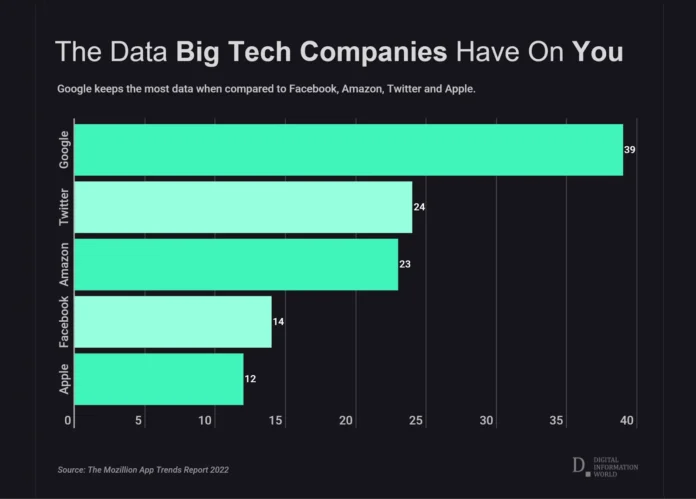
The rise of Big Tech has led to a new era of digital feudalism, where a handful of powerful corporations wield unprecedented control over our online lives. This phenomenon, dubbed “Feudalism 2.0,” has significant implications for individuals, institutions, and society as a whole. In this article, we will explore the characteristics of Feudalism 2.0, its consequences, and the potential solutions offered by Web3 technologies.
The Characteristics of Feudalism 2.0
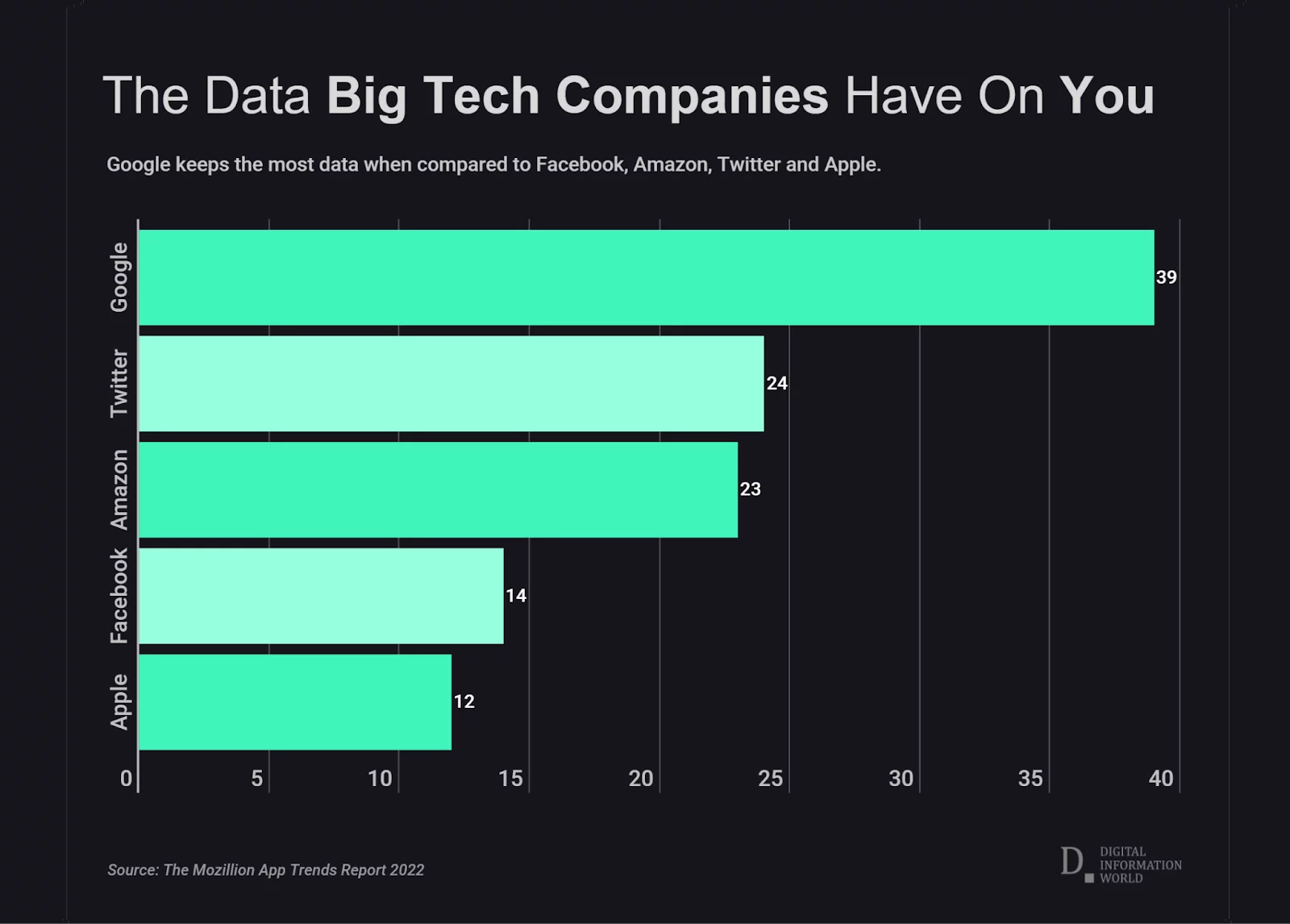
In Feudalism 2.0, Big Tech companies like Google, Meta, and Amazon have become the new lords, extracting user data and exercising significant control over our online interactions. These companies operate beyond national borders, often with little regard for local laws and regulations. As a result, our digital identities, preferences, and behaviors are being shaped and exploited by these corporate entities, often without our knowledge or consent.
According to a report by the Electronic Privacy Information Center, the collection and use of personal data by Big Tech companies have become a major concern, with 75% of Americans believing that their personal data is being used for purposes other than what they intended. This has led to a loss of digital autonomy, where individuals have limited control over their online lives and are forced to rely on these corporate entities for access to essential services.
The Consequences of Feudalism 2.0
The consequences of Feudalism 2.0 are far-reaching and have significant implications for individuals, institutions, and society. Some of the key consequences include:
- Loss of digital autonomy: Individuals have limited control over their online lives and are forced to rely on Big Tech companies for access to essential services.
- Exploitation of personal data: Big Tech companies collect and use personal data for purposes other than what individuals intended, often without their knowledge or consent.
- Concentration of power: Big Tech companies have become incredibly powerful, with significant influence over our online interactions and the flow of information.
The Promise of Web3
Web3 technologies offer a potential solution to the problems posed by Feudalism 2.0. By enabling decentralized, user-controlled data management and identity verification, Web3 can help to redistribute power away from Big Tech companies and towards individuals and institutions. According to a report by Deloitte, 71% of executives believe that blockchain technology, a key component of Web3, has the potential to disrupt their industries.
Some of the key features of Web3 include:
- Decentralized data management: Individuals have control over their personal data and can choose how it is used and shared.
- User-controlled identity verification: Individuals have control over their digital identities and can choose how they are used and verified.
- Interoperability: Different systems and platforms can communicate with each other seamlessly, reducing the need for centralized control.
Conclusion
In conclusion, Feudalism 2.0 poses significant challenges to individuals, institutions, and society as a whole. However, Web3 technologies offer a potential solution to these problems, enabling decentralized, user-controlled data management and identity verification. As we move forward, it is essential that we prioritize digital autonomy, transparency, and accountability, and work towards creating a more equitable and just digital landscape. For more information on this topic, visit https://crypto.news/feudalism-2-0-how-big-tech-became-the-new-kings/

