
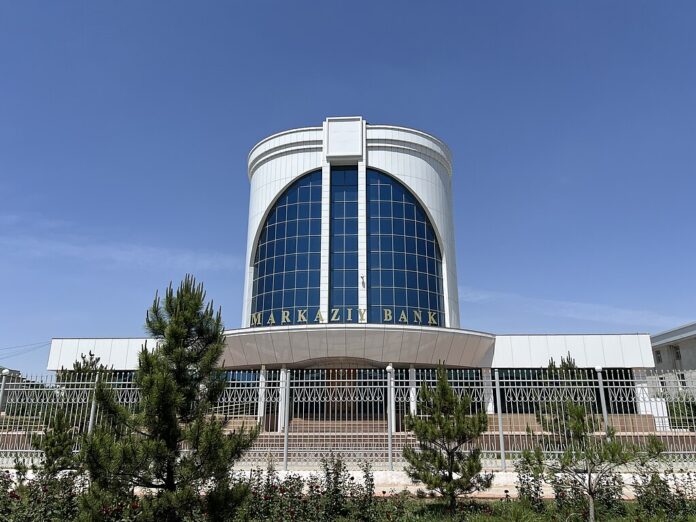
Uzbekistan Embraces Stablecoins in Payment Systems
According to local media, Uzbekistan is making significant strides in integrating stablecoins into its formal payment system, starting with a tightly controlled development sandbox. This move is part of the country’s efforts to regulate and utilize digital currencies, with a new stablecoin regulatory framework set to come into effect on January 1, 2026.
The new law, signed on November 27, establishes a regulatory sandbox under the jurisdiction of the National Agency for Perspective Projects together with the Central Bank. Pilot projects are expected to be implemented to develop a stablecoin-based payment system based on distributed ledger technology. Uzbekistan-based companies will reportedly be allowed to issue tokenized stocks and bonds starting next year, and a separate trading platform will be created for these new assets on licensed exchanges.
Regulatory Framework and CBDCs
The news follows Uzbekistan Central Bank Chairman Timur Ishmetov’s announcement in September that studies on digital currencies were underway. At the time, he said crypto activities “should be carried out under strict control as they will have serious implications for monetary policy.” Ishmetov also mentioned central bank digital currencies (CBDCs), but not in their retail form, explaining that “such a currency would not be used in people’s daily lives, but would be used primarily to speed up settlements between commercial or central banks.”

Regional Developments and Comparisons
Uzbekistan’s National Agency for Future Projects issued a directive at the end of March 2024 to increase monthly fees for crypto market participants in the country. Under the new system, crypto exchanges will charge a monthly fee of $20,015 – about double the previous fee. Meanwhile, neighboring countries are also making progress in crypto regulation. In late October, Kyrgyzstan launched a new stablecoin pegged 1:1 to the Kyrgyzstani som, while also confirming plans to issue a central bank digital currency and explore a digital asset reserve.
Kazakhstan is also at the forefront, with its financial regulator shutting down 130 crypto platforms involved in money laundering schemes this year. The country has been testing a CBDC while supporting a government-linked stablecoin, and has set up a government-backed crypto reserve in collaboration with Binance, which holds BNB (BNB). For more information on Uzbekistan’s stablecoin regulatory framework and its implications, visit https://cointelegraph.com/news/uzbekistan-greenlights-stablecoins-for-payments-under-new-sandbox-regime?utm_source=rss_feed&utm_medium=rss_tag_regulation&utm_campaign=rss_partner_inbound

