
Introduction to Web3 and its Challenges
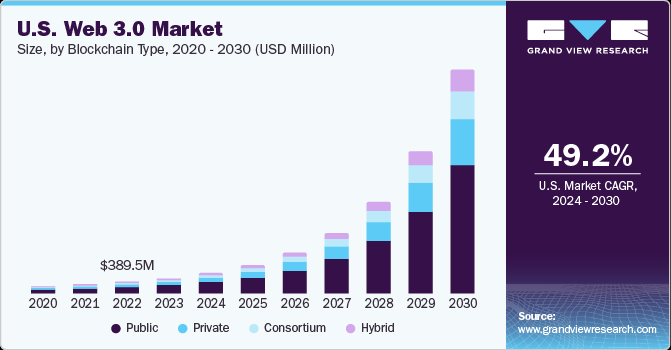
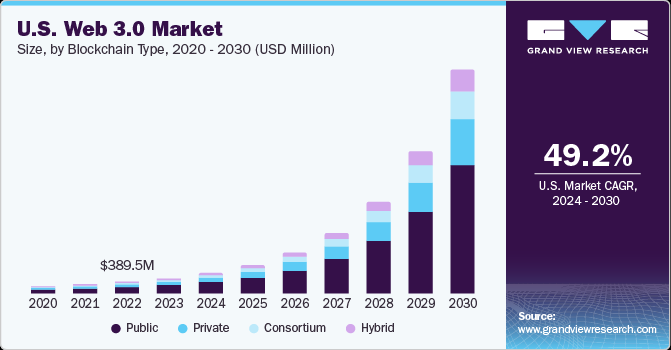
The Web3 industry has experienced significant growth and innovation over the past few years, with a focus on expanding its capabilities through faster Layer 1s, modular stacks, cost-effective rollups, and appchains designed for specific use cases. This wave of innovation has delivered improved performance, with block space multiplying, architectures diversifying, and developers gaining flexibility that seemed unrealistic just a few years ago.
However, despite these advancements, there is an uncomfortable truth that the ecosystem does not face directly. The explosion of networking that made Web3 more powerful also made it harder to use. What was intended as diversity has solidified into fragmentation, and more than any missing technology, it is fragmentation that continues to hold Web3 back from reaching the next 100 million users.
Source: eSparkBiz
Scalability vs. Fragmentation
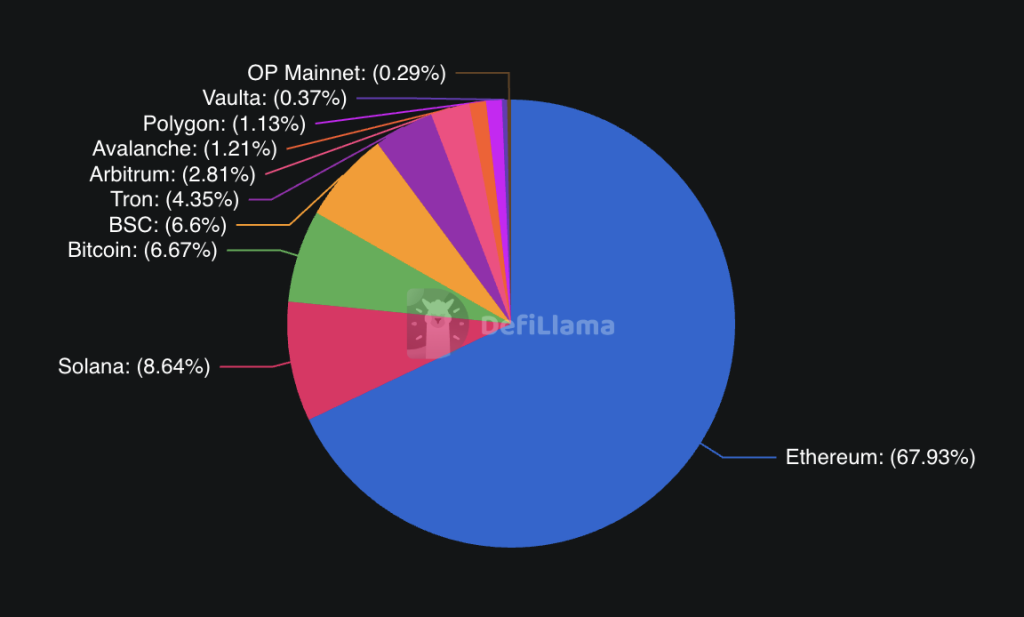
The surface area of Web3 has expanded rapidly, with new chains, rollups, execution environments, and virtual machines increasing throughput and reducing costs. However, the unit couldn’t keep up with them, and instead, the ecosystem collapsed. Today, even experienced users move through Web3 as if they are constantly pushing boundaries, with each chain requiring a different gas token, each bridge introducing a new safety model, and interfaces changing from one environment to another.
Developers face similar tensions, using multiple ecosystems not because it is strategically optimal but because it is necessary, assuming that users follow them to another network, which is often not the case.
The Impact of Fragmentation
This fragmentation has quietly become Web3’s biggest bottleneck, not due to a lack of performance or infrastructure, but because it expects everyday users to understand which chain they are on, why assets live in different execution contexts, and why a single action requires multiple approvals across different networks. This expectation is not realistic, and no amount of marketing optimism will change that.
Web3 became more complex, but coherence has not grown. The ecosystem does not need another chain or bridge; it needs a coordination layer that connects multiple environments into something that behaves like a single programmable system from a user and developer perspective.
Source: DefiLlama
A Unified Web3 Experience
A user wanting to move funds into a high-return position should be able to do so with a single intent, without needing to bridge assets, exchange across networks, acquire gas tokens, navigate incompatible interfaces, and confirm multiple transactions. In a coordinated Web3, this entire process collapses into a single action, with the system taking care of the orchestration beneath the surface.
The user performs one action, not ten. The developer creates one application, not five variants. The ecosystem behaves as a whole, with liquidity procured across networks, assets routed automatically, and gas purchased as needed, resulting in a predictable outcome.
Conclusion and Future Outlook
The next bottleneck in Web3 is not speed but coordination. The industry needs a coordination layer that enables multiple environments to work together seamlessly, making the ecosystem behave like a unified digital environment rather than a constellation of separate parts. Web3 will achieve mainstream adoption when infrastructure takes a backseat, intent replaces manual navigation, and the ecosystem behaves like a single, programmable system.
For more information on the current state and future of Web3, visit https://cryptonews.com/exclusives/opinion-why-web3-still-feels-broken/

